01The Unwritten Contract
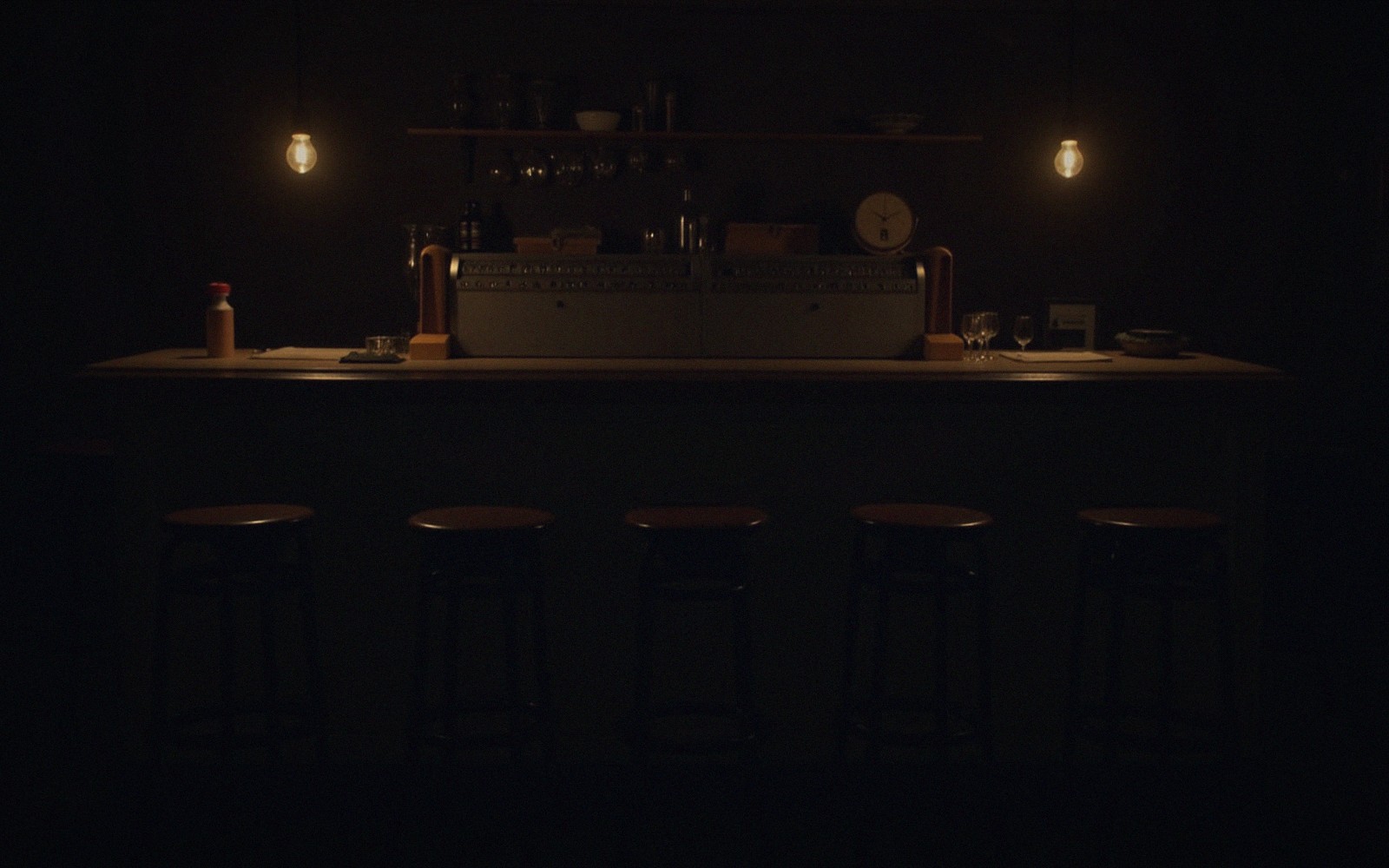
Walk into a serious jazz room and you'll notice something before you hear a note: the bar is at the back. Sometimes the side. Never the front. This isn't architecture — it's etiquette made physical, a room that has already decided what matters.
The logic is simple and the stakes are real. A shaker rattled during a piano trio's rubato passage, a glass set hard on the bartop during the silence before a resolution — these aren't minor annoyances. They're interruptions to something that cannot be rewound. Jazz is improvised music. What the band builds in a single bar of a single tune, on a particular Wednesday night, will never exist again. The room either protects that or it doesn't.
Great clubs understand this as a physical problem first. Light levels drop toward the stage — not for atmosphere alone, but because low light slows people down. The instinct to wave someone over, to mouth a drink order across a table, to check a phone: dim light suppresses all of it. The best rooms design the dark deliberately.
The bartender's discipline follows from the space. Ice goes in before the pour, not after. Bottles are set down, not placed. Tabs are run quietly, not called across the bar. A good house bartender can build a round of drinks during a loud passage and deliver them in the silence between songs — timing the service the way a drummer times a fill. This is not hyperbole. Watch one work. It's real craft.
Timing the service the way a drummer times a fill.
Your own obligations are modest and specific. Arrive between sets if you can. If you can't, wait in the doorway until a tune ends — most door staff will tell you when. Once you're in: order before the next set begins, keep your voice below the threshold of the music, and resist the pull of your phone. The screen-glow in a dark room is a lighthouse nobody asked for.
None of this is stuffiness. A jazz club at its best is one of the most alive rooms you can stand in. The bar at the back is just the room's quiet agreement to take the music seriously — and its invitation to do the same.