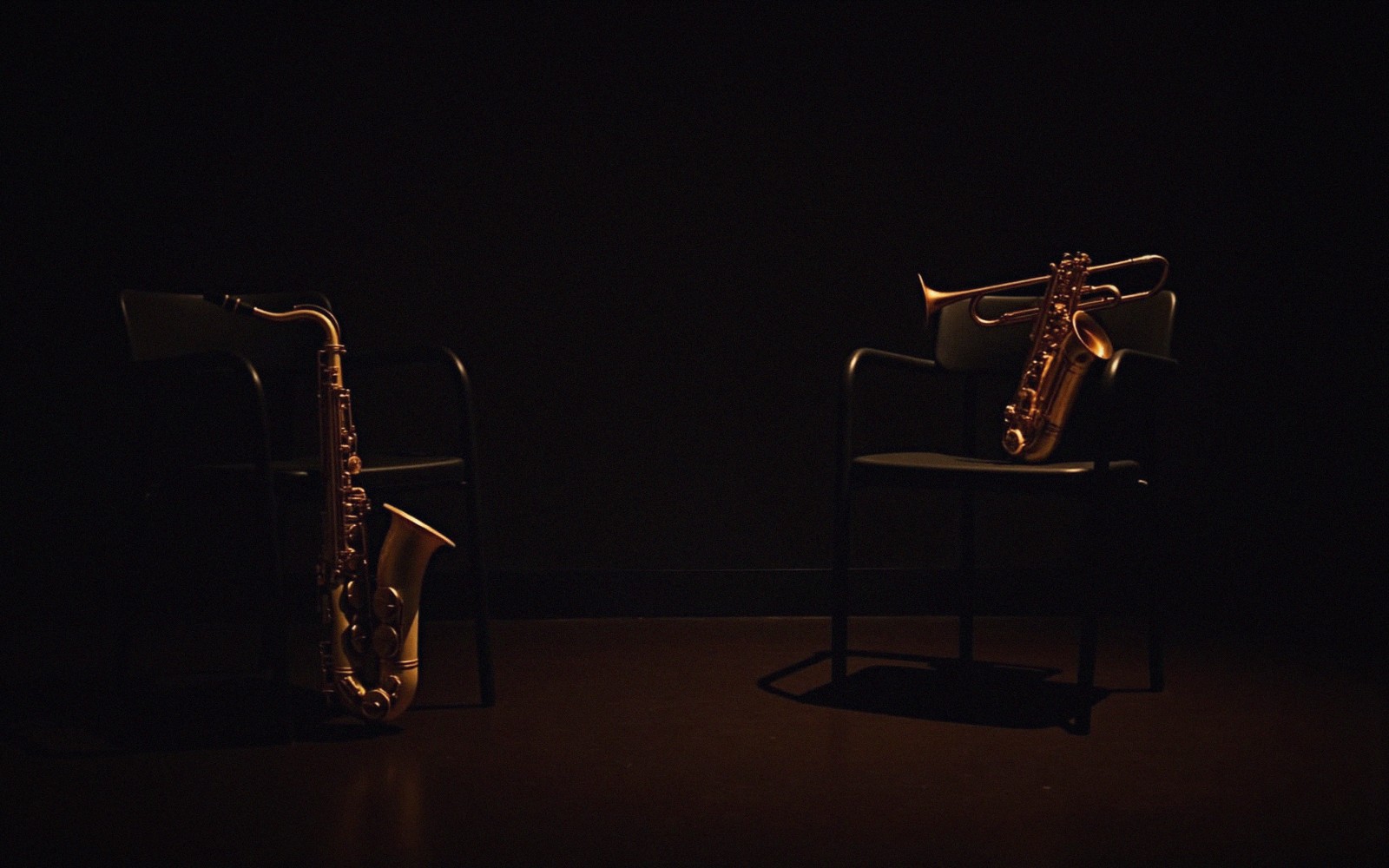
01Know Before You Go
You don't ask the bandleader. You ask the rhythm section — specifically the bassist or drummer — whether the floor is open. If they say yes, you wait. You don't hover at the edge of the stage with your case already open. You let whoever is up finish their set, and you clap like you mean it.
Bring your own reeds, your own sticks, your own strings. The house musicians aren't your roadies, and borrowing gear you haven't tuned is how you announce that you haven't done this before.
Call a standard, not a deep cut. "Autumn Leaves." "All the Things You Are." Something the room already knows, so the piano player isn't squinting at your chord changes while you're trying to play. The point of the session isn't to stump the house — it's to find out whether you can hold a conversation.
02On the Bandstand
One tune. Maybe two if it's going well and nobody is waiting. Three is pushing it; four is theft. Read the room — if the crowd is leaning in, you're welcome; if the drummer is watching the door, you're done.
Three is pushing it; four is theft.
Leave space. The worst mistake a guest player makes isn't a wrong note — it's filling every bar, soloing over the outros, forgetting that the house musicians were there before you and will be there long after. Your job is to make the set better, not louder.
Thank the band publicly, briefly, and mean it. Then go back to your table and buy a drink. The best thing you can do after a good sit-in is become an audience member again — a generous, listening one.