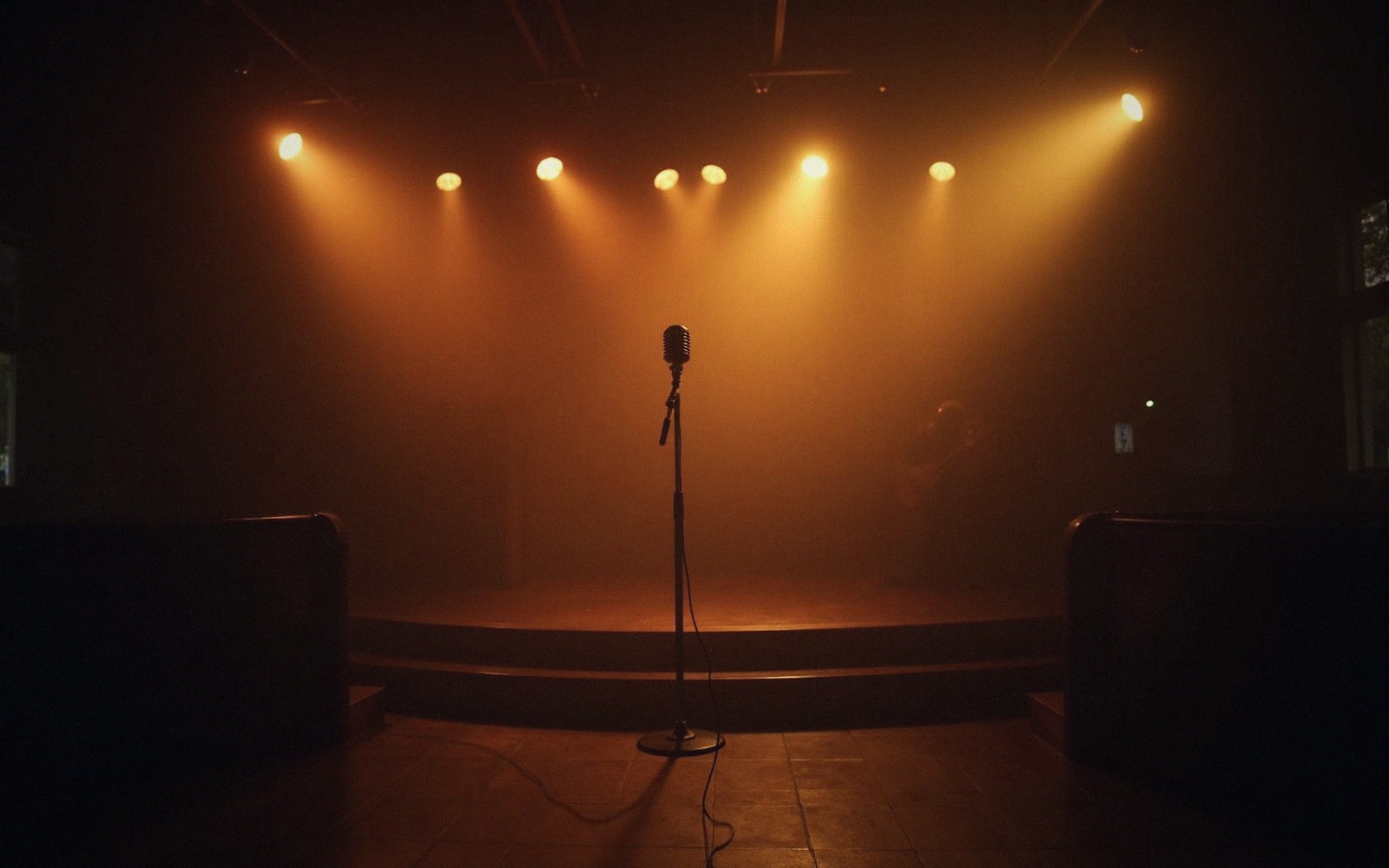
A great live album is a confident deception. The applause is real. The room is real. The musicians were there, sweating under whatever light the venue could manage. But the record you hold — with its perfectly timed crowd roar at the fade, its uncanny clarity in what should have been a muddy room, its three nights compressed into one unrepeatable performance — is an artifact as constructed as any studio date. That is not a criticism. It is the whole point.
The edit is where the lie begins. Most celebrated live recordings were not captured on a single night. Engineers routinely rolled tape across two, three, sometimes four performances, then spliced the best takes together in post-production. A searing trumpet entrance from a Tuesday might land on top of a rhythm section locked in from a Wednesday. The crowd between tracks — those glass clinks, that low murmur — is sometimes composited or nudged in level to smooth the join. What you hear as spontaneous is, in part, chosen. The performance is real; the performance on the record is curated.
Then there is the mix. Live recording is a technical nightmare: leakage between microphones, the piano bleeding into the vocal mic, the bass drum swamping the ride cymbal. The engineers who made the great live jazz records were problem-solvers working under pressure, and their solutions are baked permanently into what you hear. When a particular live record sounds immediate and alive, credit the musicians — but credit the console, too.
01What the lie gives you
None of this diminishes the records. If anything, the construction is what makes them last. A raw, unedited tape of a real night in a real club would often be punishing to hear: inconsistent levels, a blown phrase left standing, the tempo sag in the third set when everyone is tired. The edit removes the dross and leaves the fire. You are not hearing the night; you are hearing the idea of the night, refined until it burns cleanly.
You are not hearing the night; you are hearing the idea of the night.
And the atmosphere — those glass clinks, that applause — does real emotional work. It places the music in a body, reminds you that improvisation is mortal and contingent, happening once in front of people who can feel it. A studio recording exists outside time. A live recording, however assembled, insists on time's pressure. That is an irreplaceable quality, and no amount of construction undoes it.
There is also what the musicians do differently in front of an audience. The dynamic curve stretches. The risks get bigger. Listening to a solo changes entirely when you can hear the room hold its breath before the release. The interaction quickens because the stakes are visible. The studio invites patience; the stage demands decision. That tension is real and it survives the edit intact.
02How to hear them honestly
Listen to a great live album knowing it has been shaped, and you hear it better. The sudden silence before a ballad theme isn't just luck — someone placed it. The way the applause swells and fades cleanly at the top of a track: that is craft. When you notice the construction, the music doesn't shrink; the music reveals itself as both wild and deliberate, two things that should contradict each other and, in the best jazz, never do.
The night these records claim to document may not have existed exactly as presented. But the playing did. That's the part that was never a lie.