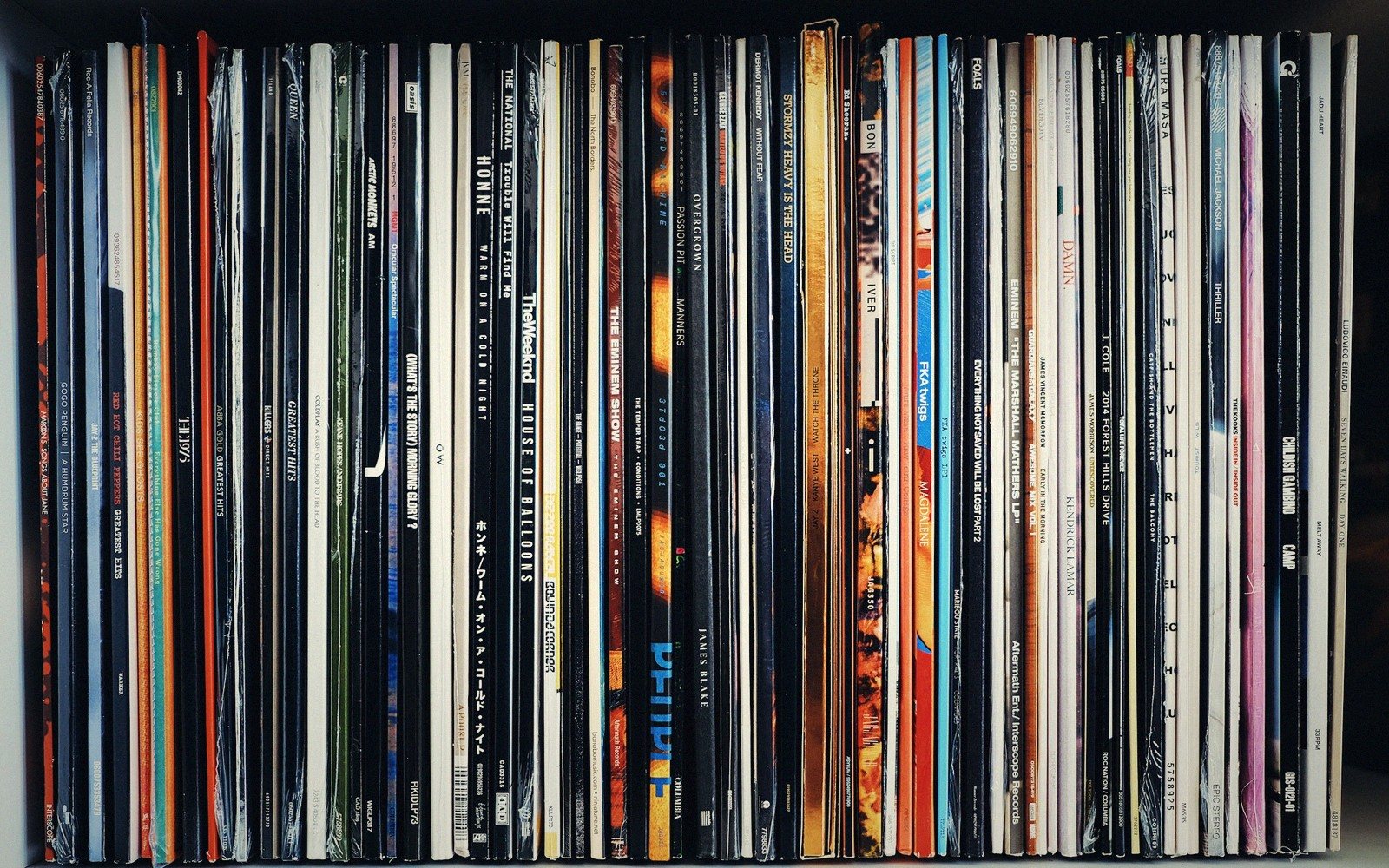
There's a strain of record-collecting orthodoxy that treats any pressing after the original as a compromise — a photocopy of a photocopy, progressively losing something with each generation. It's not entirely wrong. But it misses enough to be worth arguing with.
Start with the remaster. The word has been earned and squandered in equal measure. A bad remaster — one where the gain has been pushed to smear transients and fatten the low end for streaming-conditioned ears — genuinely does harm a record. You can hear it on certain classic-album anniversary editions: drums that clatter instead of crack, a piano that blooms into its own reverb. The skeptics are right about those. But a careful remaster, done from the original tape by someone who knows what silence between the notes is supposed to feel like, can outperform a worn original pressing simply because the source hadn't been played five hundred times. The tape is upstream of the vinyl. Sometimes the reissue is closer to the session than your prized first pressing.
The tape is upstream of the vinyl.
Then there's the mono question. Much of the jazz canon through the early 1960s was recorded and mixed for mono — Coltrane's Blue Train, almost the entire Blue Note catalog through its great middle period. The stereo versions that appeared on those same original albums, and on many subsequent reissues, were often rechanneled artificially: instruments panned hard left or hard right in ways that nobody in the room intended. Mono collapses all of that back into a single, coherent image. It sounds less spatially "interesting" and more simply correct. If you have only heard Blue Train in stereo, you have heard a polite fiction.
| MONO | RECHANNELED STEREO | |
|---|---|---|
| The image | One coherent picture, as it was mixed | Instruments panned hard left and right |
| The intent | What the room actually heard | Often applied after the fact |
| The verdict | Simply correct | A polite fiction |
Which brings the cheap pressing into focus. The Japanese audiophile repress gets the headlines, and for certain quiet recordings it genuinely earns them — lower noise floors, heavier vinyl, tighter tolerances. But for a hard bop blowing session or a live club recording, the cheap pressing often does the job, and a read of the sleeve in good light will often tell you the transfer chain anyway. A domestic budget reissue from the 1970s, pressed from a decent mother and played on a reasonably maintained cartridge, will frequently give you more music than a flat-sounding original on a turntable that needs servicing. The room the record was cut in doesn't care what you paid.
The ideal, of course, is an original pressing in excellent condition, played on excellent equipment, knowing exactly what you're listening for. Most of us are not living the ideal. The reissue — the careful one, the mono one, the unglamorous domestic one — is not a lesser pilgrimage. It's a different road to the same music.